
When apartment dwellers move, their first concern is whether they will get their security deposit back. Property managers often get a bad rap for being notoriously reluctant to return security deposits, though that may not always be warranted. In any case, you’ll want to make sure that you abide by the terms of your lease when it comes to vacating your apartment. The main loophole that landlords will try to challenge is the condition of the apartment when you move out. General wear and tear is normal, but property managers may try to ding you on “damages.”
Let’s take a look at what constitutes “damages” versus normal wear and tear.
Walls
Faded paint, small nail holes and minor stains and scuffs are considered normal wear and tear. Damages may include unauthorized paint, crayon marks on the walls, or large holes.
Carpeting and Flooring
Carpets may be thin or faded in spots, and vinyl flooring may be lightly scuffed or stained, which are signs of normal wear and tear. Damage would include major holes or burns in the carpeting, signs of pet wear (stains and scratches), and major scuffs and stains on linoleum or vinyl flooring.
Windows and blinds. Cords can get lax or tangled, and slats in the blinds may break or crack. If the blinds are old, wear and tear may be considered. Holes in window screens or missing window screens, as well as badly broken or missing blinds, would be regarded as damage, as well as any discoloration from cigarette smoke.
Appliances and Fixtures
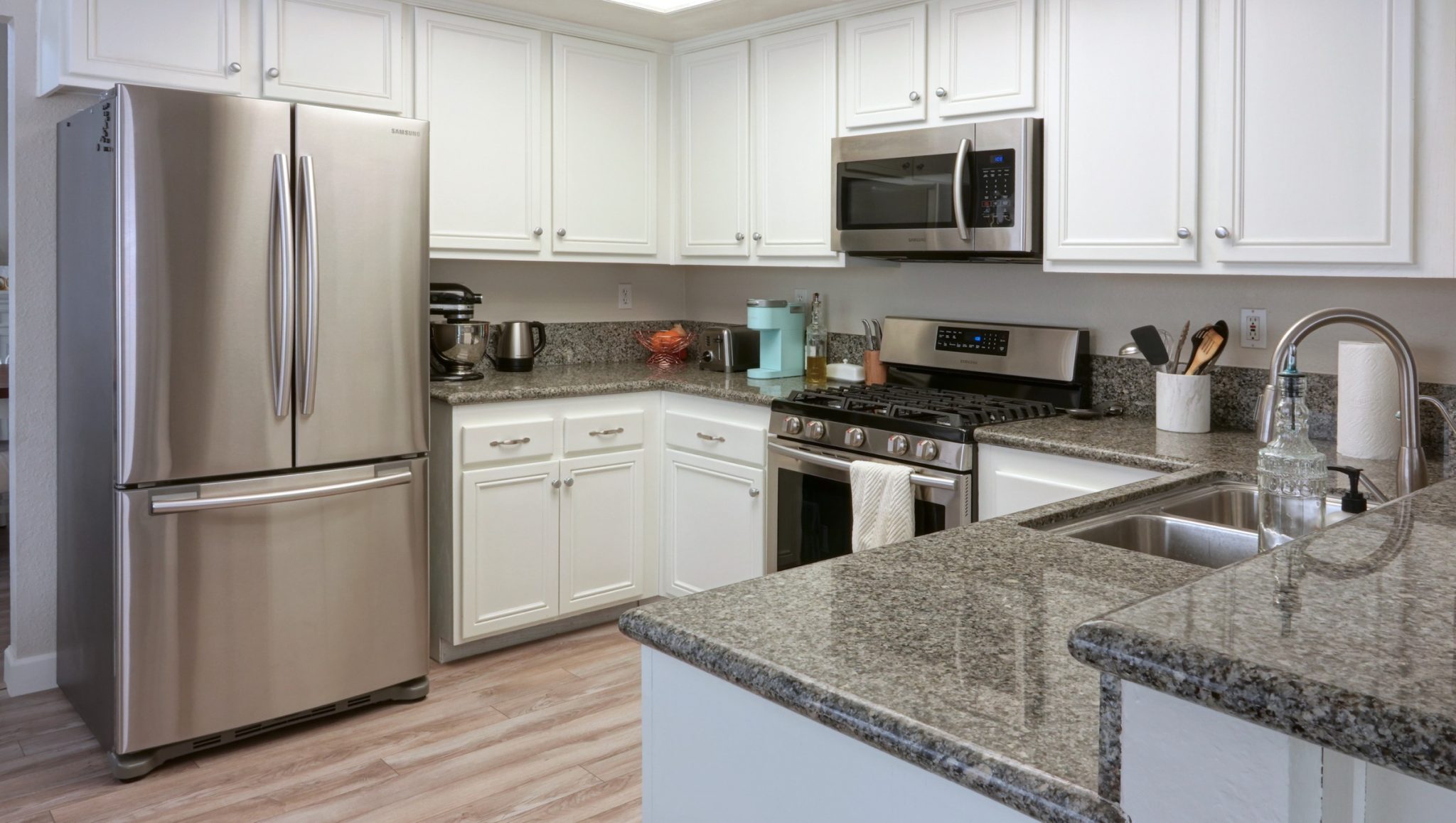
Appliances should be left clean and in good working condition. Obvious problems, such as broken refrigerator shelves, cracked mirrors, or a missing microwave plate, would be considered tenant damage.
One factor that property managers should consider is how long you have occupied the unit. Wear and tear after five years is going to be greater than if you lived there for six months.
A couple of ways to support your case in having your security deposit returned are, first, to perform a walk-through with the property manager when you move in. At that time, you can create a punch list of what needs to be repaired or updated before signing the lease. Take photos and document everything. Secondly, promptly report any maintenance problems and keep copies of your work orders. This type of proof will support your claim if you have any issues with having your security deposit returned.
In Ohio, property managers have 30 days to return a resident’s security deposit, and you must provide them with a forwarding address. If any amount has been deducted from your deposit for damages, you must be provided with an itemized list. If you encounter resistance, you can consult an attorney or file a claim against the property management company in small claims court. However, most property management companies want to avoid this and will work with you. Acting as a responsible tenant, following procedures, honoring the terms of your lease, and communicating clearly should prevent any problems when you move out.
Explore a Vision Community Apartment
At Vision Communities, we create great communities where you can put down roots and live your best life. Our property management staff is here to manage all of the details that make this a great place to live. Our spacious studio, 1 bedroom, 2 bedroom, and 3 bedroom apartment layouts provide cozy space. Check out our luxurious apartment floor plans in one of our communities and enjoy life at the VC.
Schedule a tour today and see why Vision Communities is a great place to live.